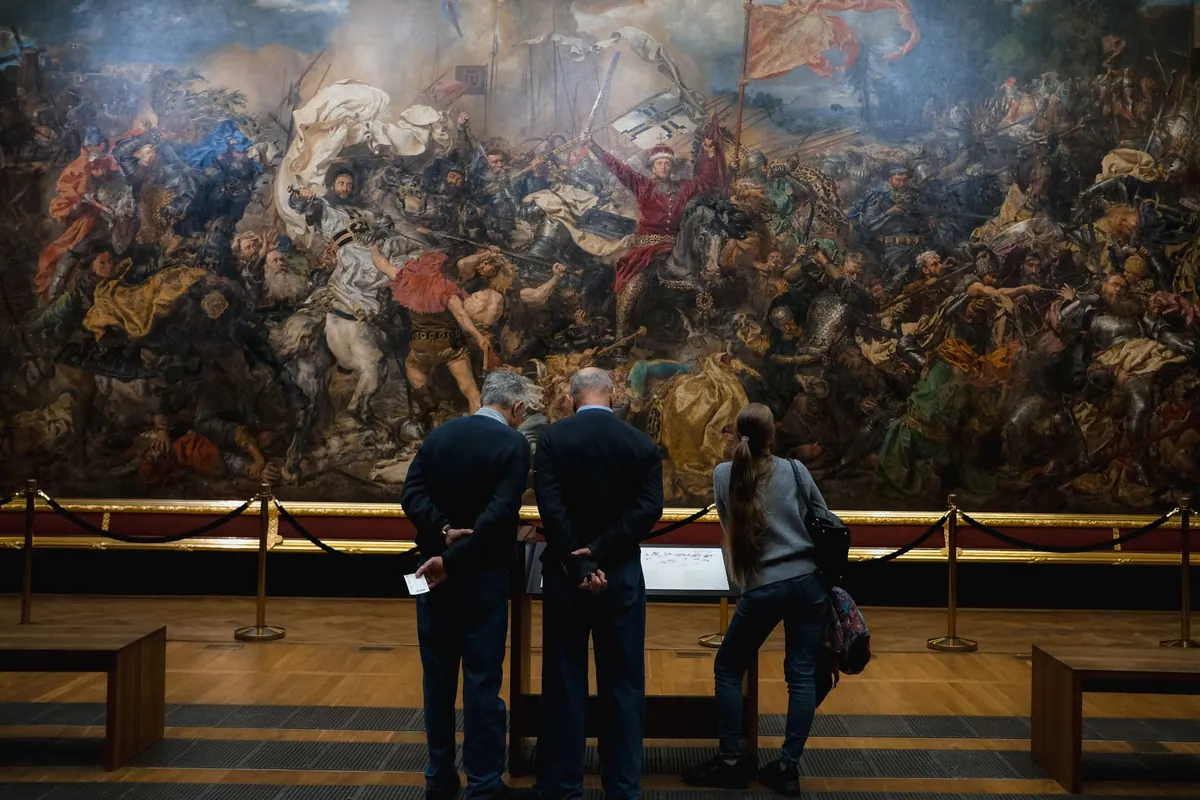
The British Museum holds around eight million objects and displays a small fraction of them. Wander in without a plan and you get the standard result: forty minutes of corridors, a sideways look at the Rosetta Stone through a crowd, a coffee in the Great Court, and the nagging feeling you missed the good bits.
There is a better way, and it involves seeing less. Choose one object before you leave the house, then let it set the shape of the day — the route, the pace, the amount you actually notice. A visit built around a single thing rarely feels thin. It feels generous, because the object keeps giving you somewhere to return to.
The usual museum arithmetic — more galleries, better day — is wrong. Attention is the scarce resource. Twenty objects at fifteen seconds each leaves you with nothing you could describe to a friend, while one object studied for half an hour will still be in your head next week.
A focused visit also solves the practical problem of a building this size. The museum is essentially a ring of galleries wrapped around the Great Court, with staircases in unexpected places and rooms that close for refurbishment without warning. That is manageable if you have one destination. It is exhausting if you have twelve.
One object does something else, too: it turns the surrounding rooms into context rather than chores. Come for the Sutton Hoo helmet and the Anglo-Saxon cases nearby stop being another display and start being the answer to your question.
Find out three things: what it is made of, who made or used it, and how it reached the museum. That is enough to give your eye something to work with.
Twenty minutes is the limit. Read a museum page and one reliable summary, then put your phone away. Past that point you are revising rather than preparing, and the pleasure of looking gets replaced by the pleasure of already knowing.
Resist memorising the label text. The best moment in a single-object visit is when you notice something the description has not mentioned — a repair, a tool mark, a worn edge where a hand once rested.
Arrive through the main entrance on Great Russell Street, clear the bag search and cross the Great Court without browsing. Walk straight to your gallery. The temptation to “just peek” at something on the way is how a focused visit becomes a foggy one.
Galleries can be shut, cases can be roped off, and a room you expected to be quiet can fill with a school group in minutes. Have a fallback: a second object in a different part of the building. If your first choice is unavailable, you have not lost the day, you have simply changed it.
First pass: look only. No label, no phone, no audio guide. Give it a few minutes and let the shape, scale and surface do the work. Notice what you are drawn to before anyone tells you what matters.
Second pass: read, then re-look. Take in the label and the display text, then look again at the details they mention. This is where the homework pays off, because you can place the object rather than just admire it.
Third pass: change your position. Move to the side, step back several metres, crouch slightly if the case allows. Objects look different from an angle, and most visitors never take a second viewpoint.
Half an hour spent this way is realistic. Then allow yourself one detour — the adjacent room, no further — before you stop.
A good object points outward. The Rosetta Stone leads naturally into Egyptian sculpture and the painted tomb chapel of Nebamun upstairs. A Roman glass vessel pulls you towards the Roman Britain rooms and the Mildenhall Treasure. Write down one thing to look up afterwards rather than chasing it now.
Then leave. Fresh air, a proper cup of tea, a walk through Russell Square. The visit will settle better on the way home than it would in another two hours of cases.
Everything above is preparation. The point of it is a single half hour in front of one thing, looking properly, with nowhere else to be.
Photo: Krystian B / Pexels

Rain in Brighton is no washout. A local's guide to the best cafés, markets, museums, shops and cinemas for a wet day trip.

Interval, matinee, understudy, front of house: a plain-English guide to the words you'll meet on a British theatre...
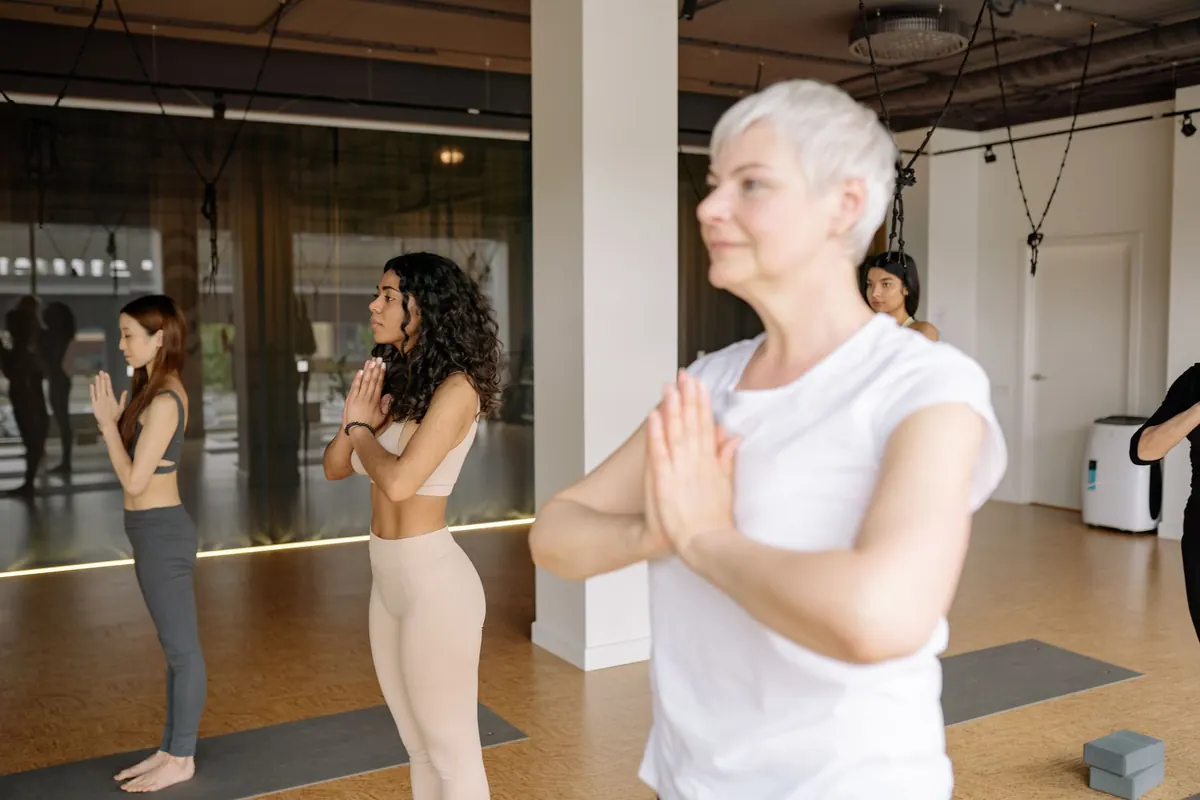
Yoga, Pilates and strength training each ask something different of a beginner. Here's what happens in each class,...


Fresh breezes of culture and ideas..
