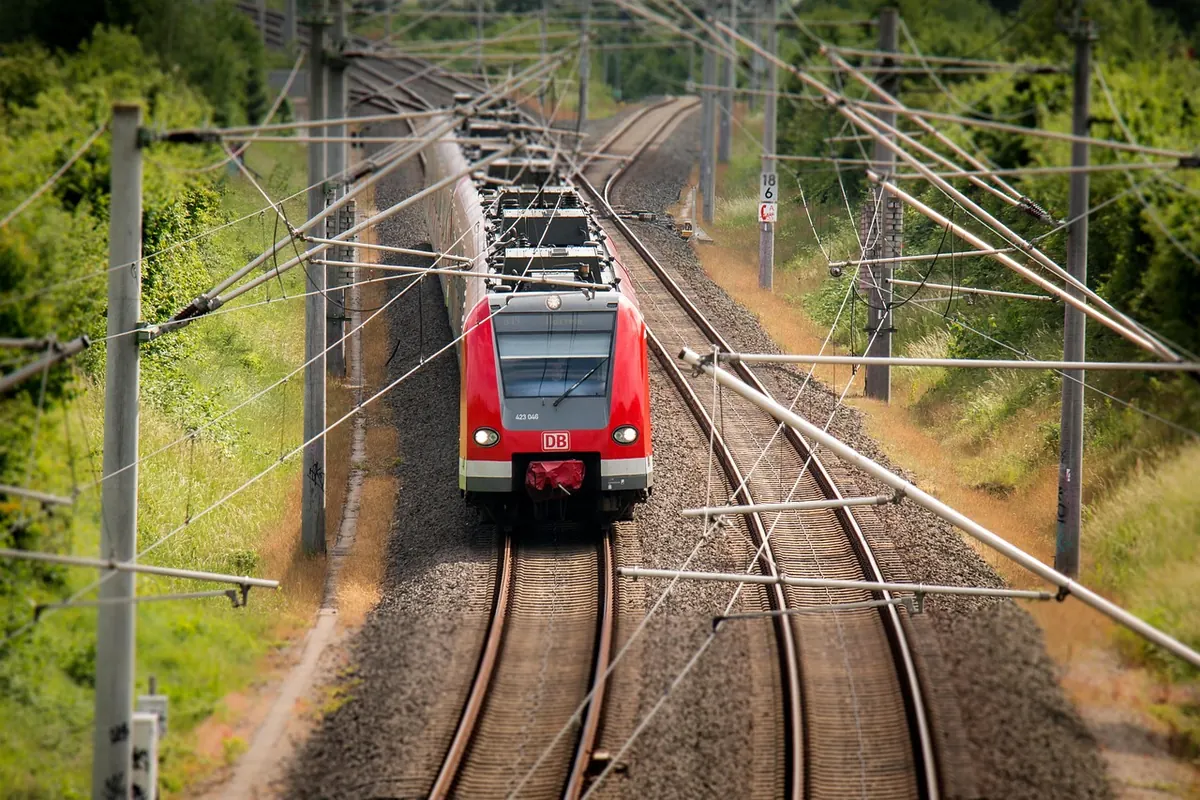
Most trains to Cornwall involve a long sit, a lukewarm coffee and a slow acceptance that you'll arrive stiff and slightly grumpy. The sleeper does something different. You board at Paddington in the evening, close a small door behind you, and wake up somewhere past Exeter as the light comes up over the Tamar. By breakfast you're in Penzance, and the day is still entirely yours.
The Night Riviera is Great Western Railway's overnight service between London Paddington and Penzance, calling at places including Reading, Exeter St Davids, Plymouth, Truro and St Erth, where you can change for St Ives. It runs most nights of the week but not every night, and timings shift with engineering work and the season, so check the current timetable before you build plans around it.
There are two ways to travel: a seat in the seated carriage, or a proper berth in a sleeping cabin. There's also a lounge car, which is the social heart of the train for the first couple of hours.
The seated carriage is standard-class accommodation with reclining seats, a table or a seat-back tray, and lights that never go fully dark. It's the cheapest option and it's perfectly safe, but it is not restful in the way a bed is. Expect movement, occasional announcements, people boarding at Reading, and a crick in your neck if you forget a travel pillow.
Cabins come as solo berths or twins (two berths, bunk style). You get a proper bed made up with sheets and a duvet, a small washbasin, a mirror, a hanging rail, and a lockable door. Toilets and showers are shared and sit at the end of the carriage. An attendant looks after the cabins through the night, and cabin passengers are usually offered a wake-up call and a hot drink in the morning. Space is tight, so think of it as a very small hotel room that happens to be moving.
In the evening the lounge car serves drinks, including wine and beer, plus light snacks. It's worth an hour before bed: you get a table, a view of the dark countryside and a chance to chat to other passengers. It generally closes down for the night, so don't plan on it as a place to sit until dawn.
If you're travelling overnight, the honest answer is usually yes, with one exception. The point of a sleeper is to arrive useful, and a cabin is what makes that possible. If you're on a tight budget, or you genuinely sleep well in a seat, the seated carriage saves real money and still gets you to Cornwall by morning. A good compromise is a cabin one way and a seat on the return, when you're less bothered about arriving fresh.
One thing worth being clear about: a sleeper is not a hotel. The berths are short, the walls are thin, and the train shunts and stops. If you're a very light sleeper, manage your expectations and pack accordingly.
The train arrives in the morning, which gives you a full day on the far west of Cornwall. Penzance station sits a short walk from the harbour, the town centre and the start of the South West Coast Path, with buses and local trains connecting to St Ives, Mousehole, Land's End and the Isles of Scilly ferry. Many cafés open early, and dropping your bags before check-in is usually straightforward if you ask ahead.
If you've barely slept, resist the urge to plan a ten-mile walk on day one. A slow breakfast and a coastal stroll will do more for you than a punishing itinerary.
Book early, choose your berth type deliberately, and treat the journey itself as part of the trip rather than a means to an end. Set an alarm as well as relying on a wake-up call, keep your ticket or booking reference handy for the attendant, and check the timetable again the week you travel in case of engineering works. Do that, and the sleeper becomes one of the most enjoyable ways to reach Cornwall, rather than simply the longest.
Photo: Didgeman / Pixabay
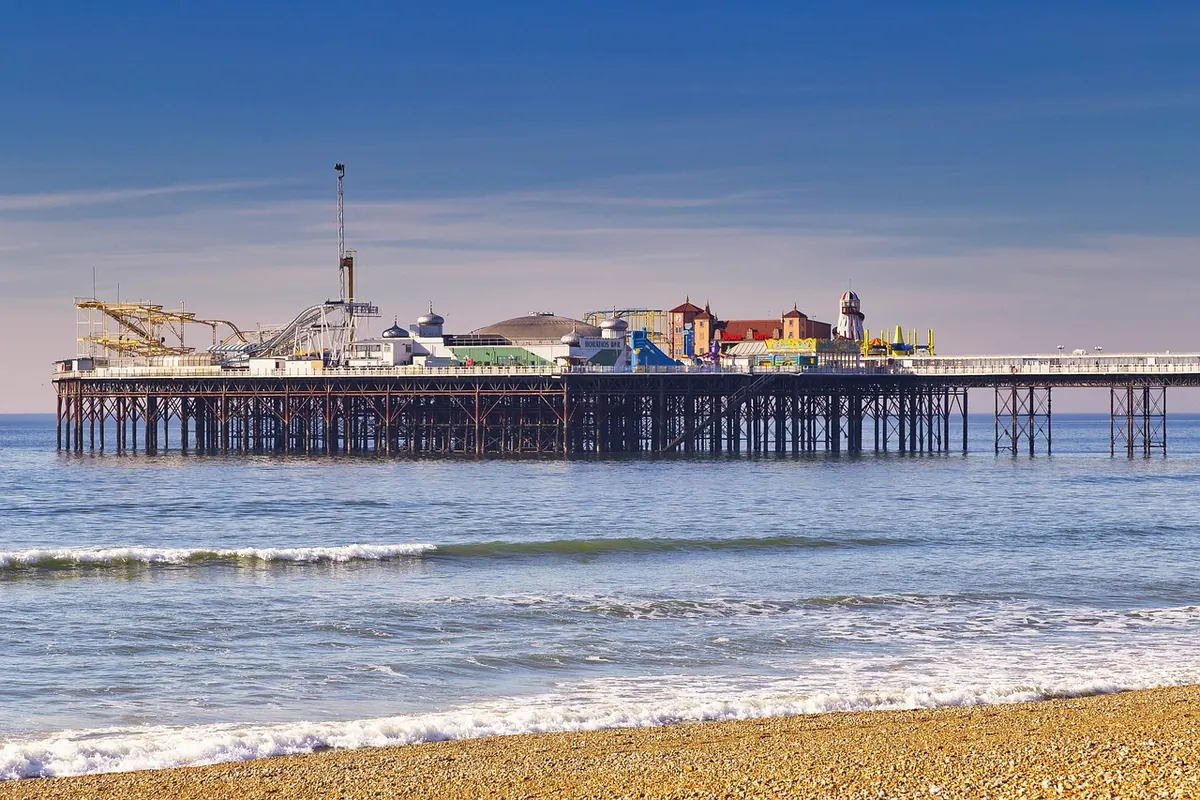
Rain in Brighton is no washout. A local's guide to the best cafés, markets, museums, shops and cinemas for a wet day trip.

Interval, matinee, understudy, front of house: a plain-English guide to the words you'll meet on a British theatre...

Yoga, Pilates and strength training each ask something different of a beginner. Here's what happens in each class,...


Fresh breezes of culture and ideas..
