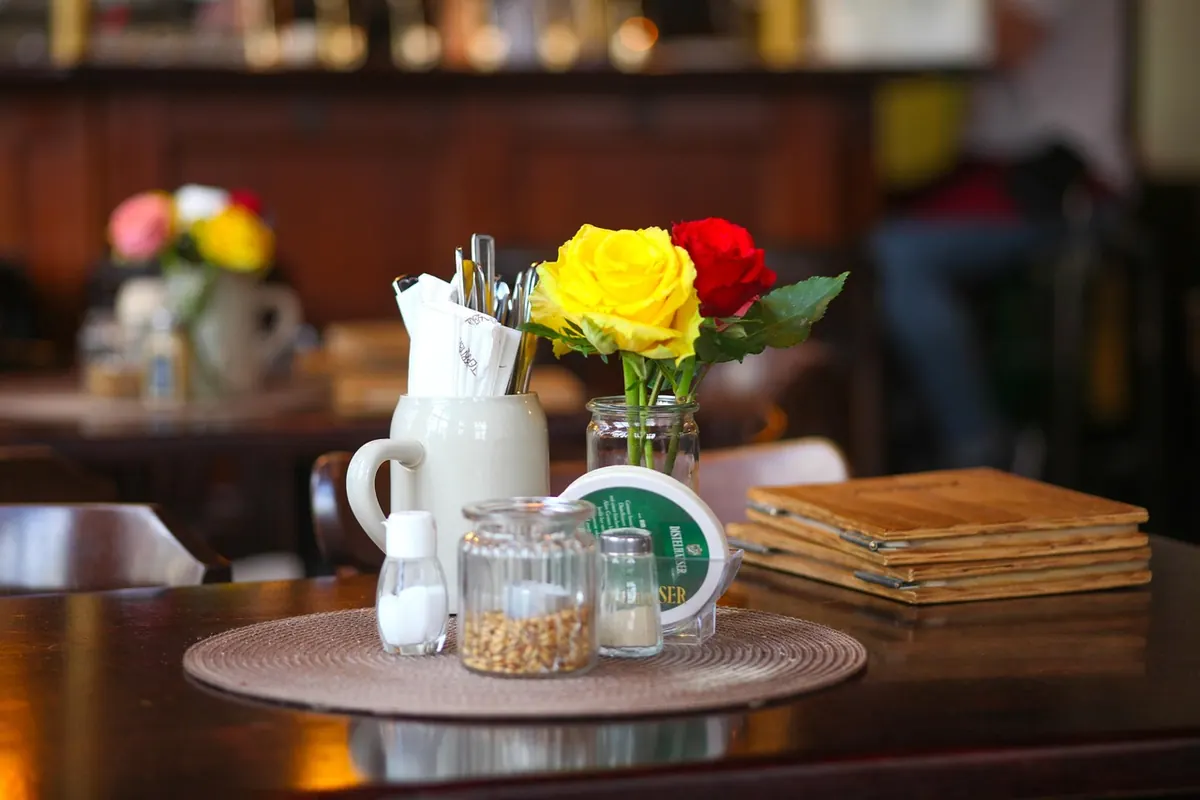
At ten past eight on a Tuesday, the pub is louder than it was at seven. Somebody is handing out pens. A man in a fleece has commandeered the microphone, and a table near the fire is already arguing about whether a tomato is a fruit. This is the British pub quiz: a general knowledge contest wearing the clothes of a quiet pint.
It looks chaotic from the outside, and it partly is. But there is a rhythm to the night, and once you know it, walking in alone becomes far less daunting. Here is what actually happens, from the first question to the last round of marking.
Most quizzes start between 8pm and 9pm, either in the main bar or in a back room with the tables pushed together. Entry is usually a small amount per person, collected by the quizmaster or paid at the bar, and it goes towards the prize pot or a local cause. Ask before you sit down if you are unsure — staff will tell you in ten seconds flat.
You will be given an answer sheet, or you will write your team name on the back of a spare beer mat. Team names are taken seriously and are usually terrible puns. From there, the quizmaster reads questions aloud, round by round, with a short break in the middle for drinks, a raffle, or chips. The whole thing tends to run for two hours.
Teams are typically four to six people. Some pubs cap them at six; others let a table of ten dominate and quietly resent it all evening. Turning up with nine mates when the sheet says six is a good way to annoy the quizmaster before the first question.
Bigger is not always better. Every extra person adds a little knowledge and a lot of debate. A tight team of four that agrees quickly often beats a sprawling eight that spends four minutes on a question about 1990s sitcoms. Aim for a mix rather than six people who all know the same things.
A standard quiz has four to six rounds, usually ten questions each. The first round warms everyone up: general knowledge, geography, a bit of history. Then come the themed rounds — a picture round of blurred album covers, a music round of opening bars, a connections round where the answers link to a theme.
Watch for the last round, often worth double points. This is where a quiet team of four can leapfrog the loud table at the front. It is also where the quizmaster springs a round designed to be brutal: obscure Olympic host cities, British rivers, actors who played Bond. Nobody gets full marks. That is the point.
Pub quizzes run on trust and mild peer pressure. Break the rules and you will not be thrown out, but you will be talked about.
When a round ends, sheets are swapped with the neighbouring table. This is the social heart of the evening. You get to see what other people wrote, you get to be generous about a spelling that is close enough, and you get to feel a small, guilty thrill when the table of six gets question seven wrong.
Marking is deliberately lenient. Most quizmasters accept obvious misspellings of difficult names. If your team believes the marker has been harsh, the quizmaster settles it — usually by accepting both answers, occasionally by ruling against you with visible delight. Do not argue twice.
Prizes vary wildly. Often it is the money collected at the door, split between the winning team. Sometimes it is a bar tab, a box of chocolates, or nothing more than the honour of choosing next week's tiebreaker. There may be a wooden spoon for last place, awarded with more ceremony than first.
Many pubs finish with a rollover question: a fiendish final query that carries a jackpot. Answer it correctly and the pot goes to your team. Get it wrong and the money rolls over to next week, which is why the same hopefuls return every Tuesday for a month.
Go once and you will know the format. Go three times and you will have opinions about the picture round, a regular seat, and a team name you are mildly embarrassed by. That, more than the questions, is what people come back for.
Photo: ptra / Pixabay
Rain in Brighton is no washout. A local's guide to the best cafés, markets, museums, shops and cinemas for a wet day trip.
Interval, matinee, understudy, front of house: a plain-English guide to the words you'll meet on a British theatre...
Yoga, Pilates and strength training each ask something different of a beginner. Here's what happens in each class,...

Fresh breezes of culture and ideas..
