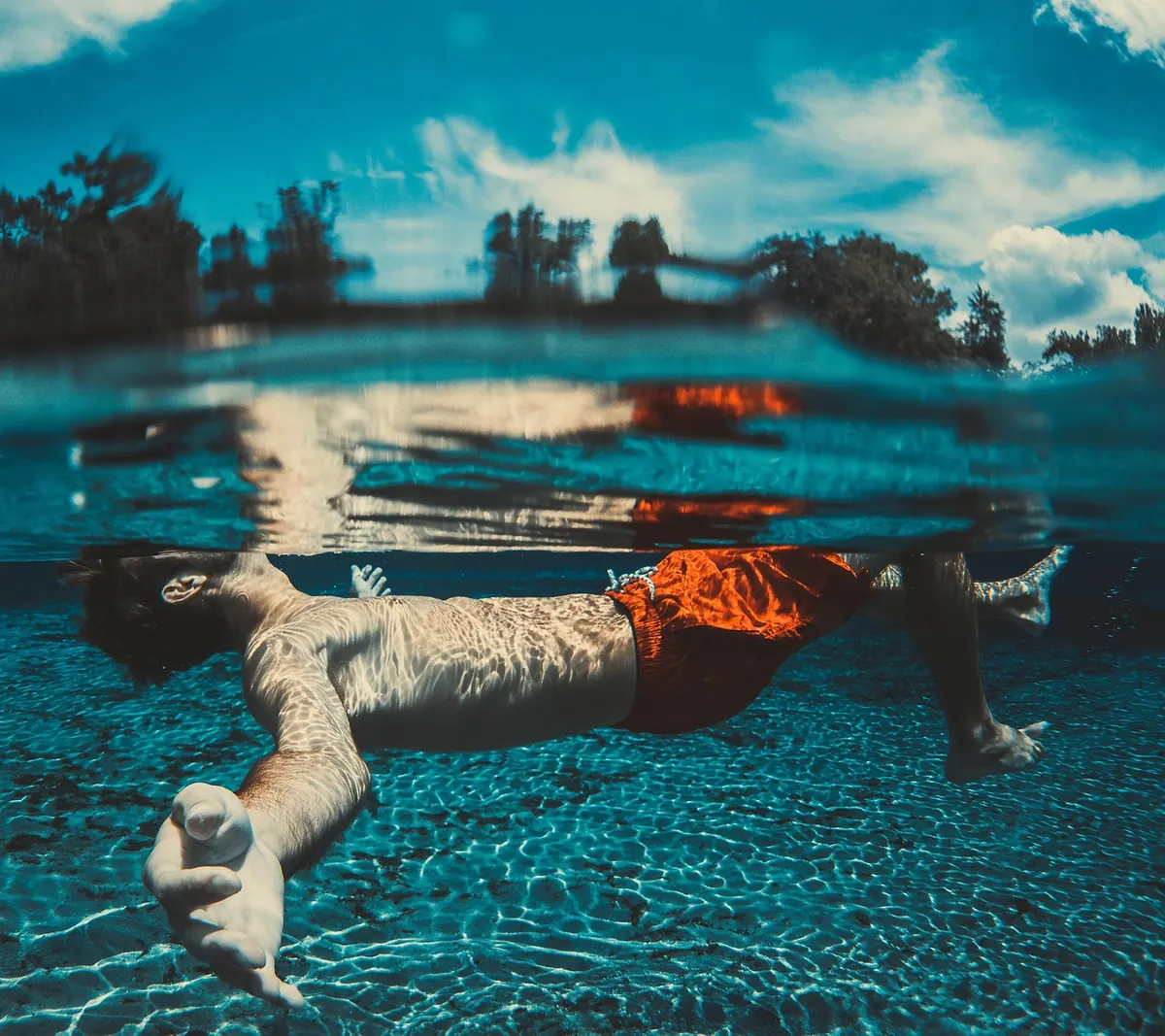
The hardest part of a cold-water swim is the first thirty seconds. Everything after that is mostly a matter of breathing, patience and knowing when to get out.
Britain is unusually well set up for this. You're rarely more than an hour from a beach, a lido, a river or a lake, and there are organised groups swimming outdoors all year round. What you need isn't bravery. It's a plan: a sensible location, the right kit, and a realistic idea of what your body will do when it hits cold water.
Cold water does something specific to the body, and it happens fast. The first response is a sharp intake of breath, then rapid breathing and a racing heart. That reaction — cold water shock — is why so many people get into trouble in water that looked perfectly manageable from the shore. It passes, generally within a minute or so, but during that minute you are not fully in control.
Which brings us to the two rules that matter more than any piece of kit:
Anything below roughly 15°C counts as cold water, and British seas, rivers and lakes are often cooler than that even in high summer. A lido in June can feel colder than the sea in September. If you're unsure, a cheap pool thermometer gives you a better answer than the air temperature does.
Start somewhere supervised: a lifeguarded beach in season, an outdoor lido, or a designated open-water venue with a marked course and someone watching. Staff and lifeguards will tell you where the currents run, where the bottom shelves away and where people usually get into difficulty. That information is worth more than any online review.
At the coast, check tide times before you leave home. Avoid river mouths, estuaries, harbour walls and anywhere with a rip current — if you can't confidently spot one, stay on a lifeguarded beach. After heavy rain, rivers and some coastal spots can carry pollution, so it's worth waiting a day or two and checking local water-quality information. Keep alcohol for afterwards, never before.
You don't need much, but a few items make a disproportionate difference to how enjoyable the first dip is:
For five minutes in an August lido, no. For longer swims, or anything outside summer, yes — or at least a neoprene top and shorts. A wetsuit buys you time and takes the edge off the initial shock, though it won't make cold water warm. Fit matters more than thickness: if you can't breathe easily in it, it's too tight. Many venues hire wetsuits, so try before you buy.
Dry and dress fast, working from the top down — hat, fleece, then the rest. Move around rather than sitting still. A very hot bath or shower straight away can leave you feeling faint as blood returns to the skin, so warm up gradually with layers and a hot drink instead.
Learn the warning signs of trouble in yourself and anyone you're with: uncontrolled shivering that won't stop, slurred speech, clumsiness, confusion or unusual drowsiness. Those are reasons to get someone warm and call for help, not to push on.
Cold-water tolerance comes from turning up regularly, not from one heroic swim. A weekly dip through autumn will prepare you for winter far better than a single long effort in October. Two short swims beat one long one. If you miss three weeks, expect to feel as though you've gone backwards a month.
If you have a heart condition, high blood pressure, epilepsy, asthma, Raynaud's, or you're pregnant, speak to your GP before making cold water a habit. That's a conversation for a doctor rather than a swimming forum.
Pick a date this week and keep it small. Choose a supervised venue or a lifeguarded beach, ask someone to come with you, and check the tide and water quality the day before. Pack your bag tonight: tow float, hats, goggles, gloves and socks, towel, robe, flask. Then on the day, get in slowly, stay waist-deep, breathe out, and be out within five minutes.
That's a successful first cold-water swim. Do it again next week, and the week after, and you'll be surprised how quickly the water stops being the thing you think about.
Photo: Pexels / Pixabay
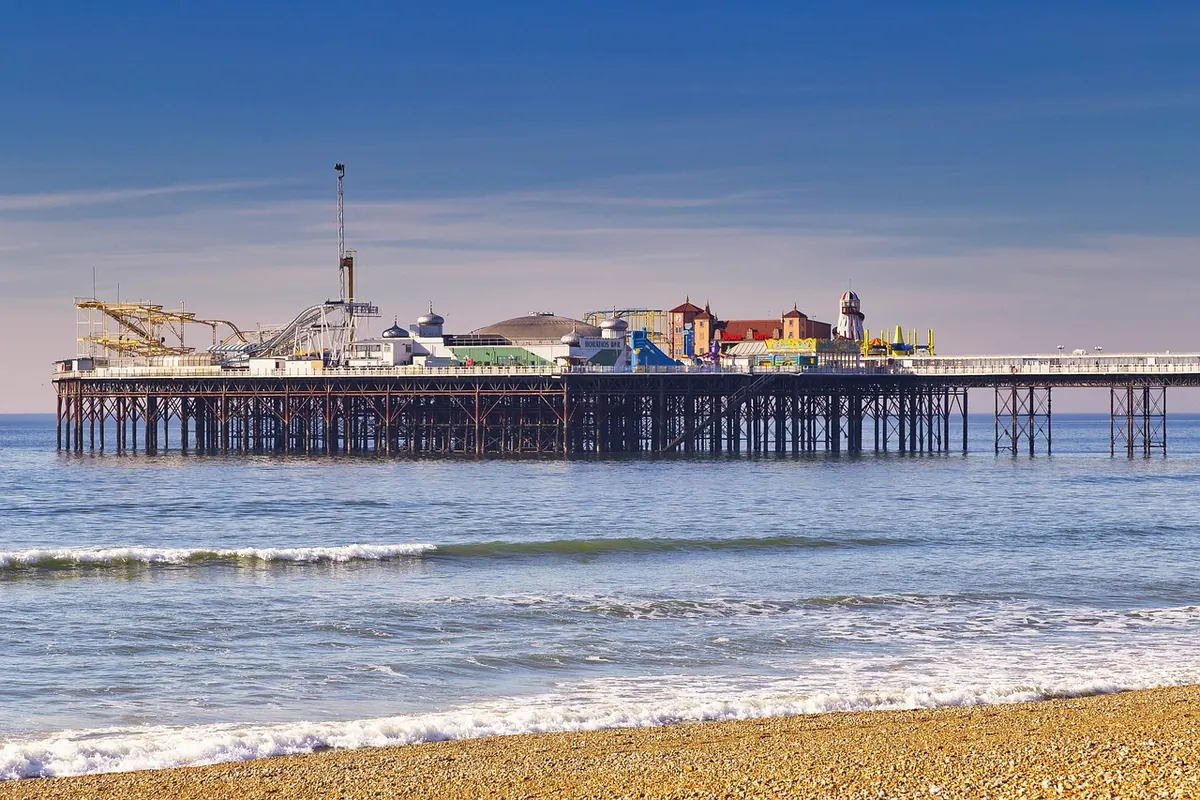
Rain in Brighton is no washout. A local's guide to the best cafés, markets, museums, shops and cinemas for a wet day trip.

Interval, matinee, understudy, front of house: a plain-English guide to the words you'll meet on a British theatre...
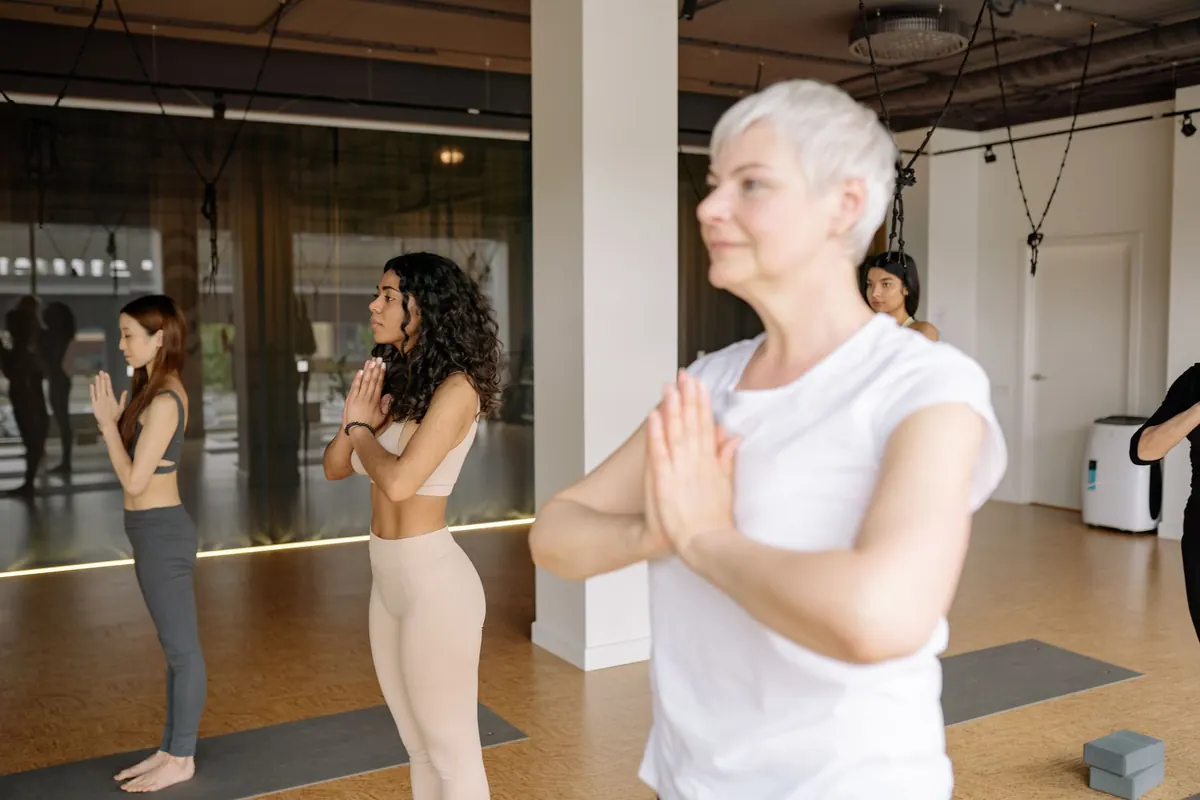
Yoga, Pilates and strength training each ask something different of a beginner. Here's what happens in each class,...


Fresh breezes of culture and ideas..
